28-Gauge Ammo Buyer’s Guide: How to Choose the Right Load for Hunting


- Key Takeaways
- What Makes 28 Gauge Ammo Effective for Hunting?
- The 4 Most Important Factors When Choosing 28 Gauge Ammo
- Best 28-Gauge Ammo for Waterfowl Hunting
- Best 28-Gauge Ammo for Turkey Hunting
- Comparing HEVI 28-Gauge Loads
- Common Mistakes When Buying 28-Gauge Ammo
- Quick Buyer's Checklist For 28-Gauge Ammo
- FAQs
Don’t let anyone tell you the 28 gauge is some frilly gentleman’s gun for stuffy upland shoots. Fed the right ammo, it’s a legitimate killer for ducks and turkeys. If you want the best 28-gauge ammo for hunting, the decision comes down to four things: shot material, shot size, shell length, and velocity.
Modern loads—especially 28-gauge TSS ammo like HEVI-18 and tungsten blends such as HEVI-XII—have completely rewritten what 28-gauge shotgun ammo can do. Higher pellet density and better energy retention mean clean kills at ranges that weren’t realistic 10 years ago. Ducks fold. Turkeys tip over. Stuff dies.
This guide breaks down how to pick the right load for your hunt, using real-world specs from HEVI’s 28-gauge ammo lineup so you can hunt with confidence.
Key Takeaways
- Shot material matters most: TSS (18 g/cc) and tungsten dramatically outperform 28-gauge steel ammo for energy and pattern density
- 3-inch 28-gauge ammo is the standard for hunting, offering heavier payloads and more pellets in the pattern
- Shot size should match the species: #7-#9 TSS for turkey, #4–#6 for waterfowl, depending on material
- Velocity helps, but pellet density is what kills birds at distance
What Makes 28 Gauge Ammo Effective for Hunting?
The 28 gauge works because it’s efficient. A slim shot column stacks pellets evenly, flies true, and patterns tight. Less recoil means better follow‑up shots and more confidence. That matters when birds come fast or when a longbeard hangs up just outside your comfort zone.
Back in the day, the knock on the 28 was its “limited range.” That was true when all you had was light payload lead or steel. Today, it’s a different story. With 28-gauge tungsten ammo and TSS, you get:
- More pellets per ounce
- Higher retained energy
- Denser, more forgiving patterns
The reality now is simple: range isn’t gauge‑limited anymore—it’s material‑dependent. With modern 28-gauge non-toxic ammo, the platform hits far above its weight when loaded correctly.
The 4 Most Important Factors When Choosing 28 Gauge Ammo
Choosing the right 28-gauge waterfowl ammo or turkey load comes down to understanding four variables and how they work together in the field.
1. Shot Material (Most Important)
If there’s one corner you shouldn’t cut, it’s shot material. Here’s how densities stack up:
Steel works—it kills birds every season—but it sheds energy fast. Tungsten and TSS don’t. That’s why HEVI‑Shot builds 28-gauge waterfowl ammo and turkey loads around higher‑density materials.
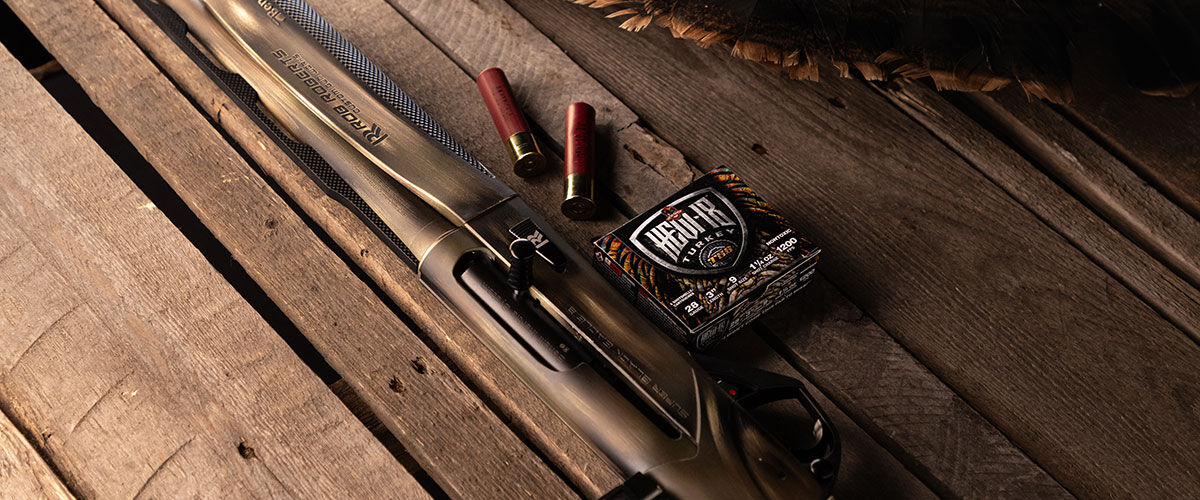
- HEVI‑18 is purpose‑built 28-gauge turkey ammo, offering 3-inch shells with up to 1 ¼-ounce payloads in #7 or #9.
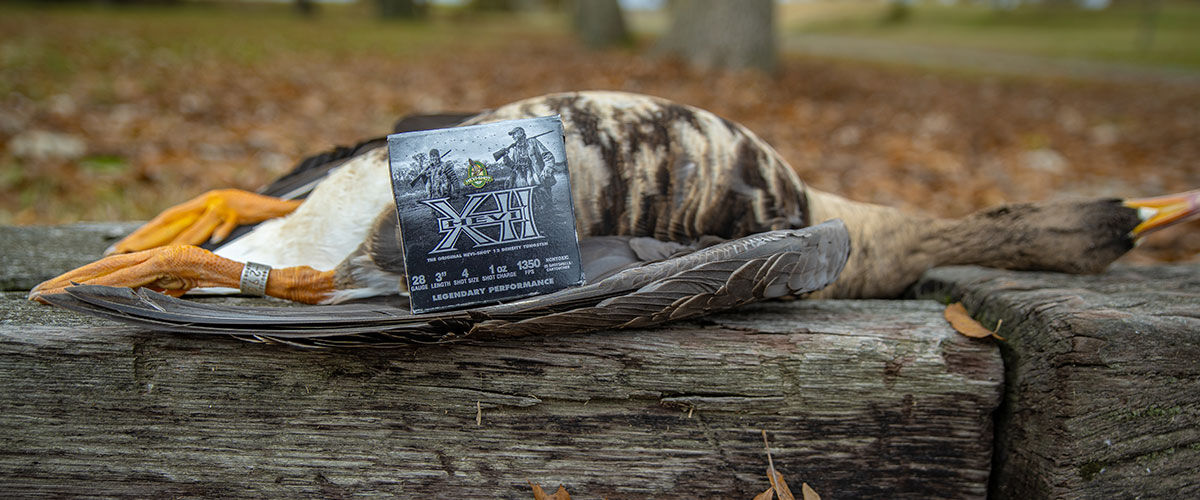
- HEVI‑XII is designed for waterfowl, running #4 or #6 shot with 1-ounce payloads around 1350 fps.
Density is what lets the 28 do things it had no business doing before.

2. Shot Size
Smaller shot equals more pellets in the pattern. Bigger shot equals more energy per pellet. With dense materials, you can go smaller without giving up penetration.
Turkey
- #9 HEVI‑18: unmatched pellet counts and insane patterns
- #7 HEVI‑18: slightly more pellet energy for longer shots
Waterfowl
- #6 HEVI‑XII: deadly on decoying ducks
- #4 HEVI‑XII: better penetration in wind or tougher birds
Blended tungsten loads like Magnum Blend mix pellet sizes (5/6/7) to hedge bets across distance and angles.

3. Shell Length: 2¾ inch vs. 3 inch
When it comes to hunting, 3-inch 28-gauge ammo is king. Period. A longer shell means more room for pellets, which means denser patterns and more margin for error. HEVI’s 3-inch 28-gauge TSS ammo pushes up to 1 1/4 ounce—serious payload for a small bore.
Sure, 2¾-inch shells still have their place for busting clays, doves, grouse or quail, but for waterfowl and turkeys, the 3-inch option wins every time if your gun is chambered for it.
4. Velocity
Velocity helps pellets get on target faster and can improve penetration at closer ranges, but it’s not the whole story.
- HEVI‑XII waterfowl loads run around 1350 fps, perfect for crossing ducks
- HEVI‑18 TSS loads run closer to 1200 fps, trading speed for heavier payloads and higher density
Fast steel can’t make up for low density. Slower TSS still hits harder downrange because it holds its energy.
Best 28-Gauge Ammo for Waterfowl Hunting
The best 28-gauge waterfowl ammo today is tungsten‑based. Steel will kill birds over the decoys, but tungsten closes the gap fast when ranges stretch or conditions turn ugly.
Decoying Ducks (20–35 yards)
- HEVI‑XII #6
- 1 ounce at 1350 fps
- Dense patterns, quick kills
Tough Conditions/Wind
- HEVI‑XII #4
- Better penetration on late‑season birds
Why choose tungsten over 28-gauge steel ammo?
- Smaller pellets still hit hard
- More pellets in the pattern
- More forgiveness on marginal shots
Best 28-Gauge Ammo for Turkey Hunting
This is where 28-gauge turkey ammo really shines. TSS 28-gauge ammo now delivers pattern density and penetration that rivals larger gauges.
Primary Load
- HEVI‑18 #9
- 3-inch shell
- 1 ¼-ounce payload
This load puts an unbelievable number of pellets into a turkey’s head and neck. It’s why so many experienced hunters trust #9 TSS for clean, ethical kills.
Alternative
- HEVI‑18 #7
- Slightly larger pellets for longer shots
Why it works:
- Extremely high pellet count
- Tight, consistent patterns
- Excellent energy retention
Comparing HEVI 28-Gauge Loads
HEVI builds 28-gauge ammo for specific jobs—not one-size-fits-all shells.
| Product Line | Shot Type | Use Case | Key Specs |
|---|---|---|---|
| HEVI-18 | TSS | Turkey | 1 1/4 oz, #7/#9, ~1200 fps |
| HEVI-XII | Tungsten | Waterfowl | 1 oz, #4/#6, ~1350 fps |
| Magnum Blend | Tungsten Mix | Turkey | 5/6/7 blend |
| HEVI-Hitter | Hybrid | Waterfowl | High‑velocity mixed payload |
Common Mistakes When Buying 28-Gauge Ammo
Most people shortchange the 28 gauge before they ever pull the trigger. Here’s how they do it:
- Choosing steel when tungsten is needed
- Using oversized shot with TSS
- Ignoring payload differences
The gauge isn’t the limitation—the load choice is.
Quick Buyer’s Checklist for 28-Gauge Ammo
Before buying your next box, ask yourself:
- What species am I hunting—ducks, turkeys or pheasants? (28-gauge pheasant ammo often overlaps with waterfowl loads)
- What’s the typical shot distance?
- Is 28-gauge non-toxic ammo required?
- Does my gun handle 3-inch shells?
- Am I looking at TSS, tungsten, or steel?
- Is the shot size matched to the species?
- Have I patterned this load?
FAQs
Is 28 gauge enough for ducks? Yes—with tungsten loads like HEVI‑XII, it’s deadly on decoying birds.
What is the best 28-gauge turkey ammo? HEVI‑18 TSS #9 for maximum pellet count and pattern density.
What’s the difference between TSS and tungsten? TSS is denser (18 g/cc), allowing smaller shot with more pellets and better energy retention.
Can 28 gauge replace 12 gauge? In many hunts—inside 40 yards with tungsten loads—it absolutely can.
Conclusion
There’s no question: 28-gauge shotgun ammo has grown up. With modern 28-gauge tungsten ammo and TSS options, the platform delivers real‑world performance that rivals bigger gauges—if you choose the right load. Focus on material first, match shot size to the bird, run 3-inch shells when possible, and don’t obsess over velocity alone. Do that, and the 28 gauge stops being lightweight—it becomes deadly.