How to Hunt Ducks in Timber, Rivers, Lakes & Fields


If you’ve hunted ducks long enough, you’ve seen it happen. Birds work the spread, cup their wings, and everything feels right. Then the shot comes, and they just keep going. That’s not bad luck. That’s a setup problem.
Too many hunters treat every hunt the same. Same shells. Same choke. Same expectations. Ducks don’t behave the same in flooded timber as they do over big water or a cut cornfield and if your gear isn’t matched to how birds are flying that day, you’re already behind.
The guys who kill consistently—year after year—aren’t guessing. They’re adjusting everything: position, decoy spreads, shot selection, and especially ammo. When conditions change, your load better change with them. Here’s how to do it.
Key Takeaways
The best duck hunting tips start with matching your ammo to your environment and your realistic shooting distance. Denser materials like bismuth and tungsten outperform steel when shots stretch or wind picks up, holding energy better and finishing birds clean. Flooded timber demands wide, forgiving patterns at close range, while lakes and fields require tight patterns and higher velocity for longer shots. Late-season ducks are tougher and more educated, making heavier payloads critical. At the end of the day, it’s not your calling that determines success—it’s whether your setup matches the moment.
What’s the Best Way to Hunt Ducks?
The best way to hunt ducks is to hunt the specific environment—don’t follow your habits. Every setup should be built around the answer to one question: how are ducks moving here, right now? No situation is the same, but there are a few general scenarios.
If you’re in timber, ducks will be coming in tight, low and fast. This means quick shooting and close-range shots.
On rivers, you’ll probably be dealing with shifting and unpredictable flight paths. With that, shots could come at unpredictable angles.
The wide-open layout of lakes means ducks will approach based on wind and wind direction, and shots will be longer.
When field hunting, you might be dealing with ducks that have seen every other spread along the flyway. These pressured birds often circle the spread, hang and flare. You need to be ready for longer shots on crossing birds.
The biggest mistake hunters make is running the same load everywhere. That’s how you end up underpowered in fields or over-tight in the timber. There’s no universal shell. There’s only the right shell for the situation.
Flooded Timber Duck Hunting Tips
There’s nothing like flooded timber. Wings whistling overhead, echoes bouncing off trunks, and birds dropping through holes in the canopy that you swear weren’t there a second earlier.
One of the best ways to hunt flooded timber, however, is to not hunt the classic flooded timber setting at all. Instead of the stands of mature trees, it pays to target younger reforested areas. These “short trees” can flat-out produce. Here’s why:
- More sunlight reaches the water, which means stronger food sources
- Tighter growth forces birds to stay lower in the canopy
- Better thermal protection holds birds during cold snaps
- Mixed species movement—wood ducks, teal, mallards, even specks
In these spots, ducks aren’t circling for long looks. They drop in quickly, and most shots happen inside 20 to 35 yards, often through narrow windows.
How to Hunt Wood Ducks Effectively
If you want to learn how to hunt wood ducks, remember: They move early—be set before shooting light. Woodies also fly fast and low. Be prepared with this setup:
- Shot size: #4–#6
- Shell: 2¾” or 3”
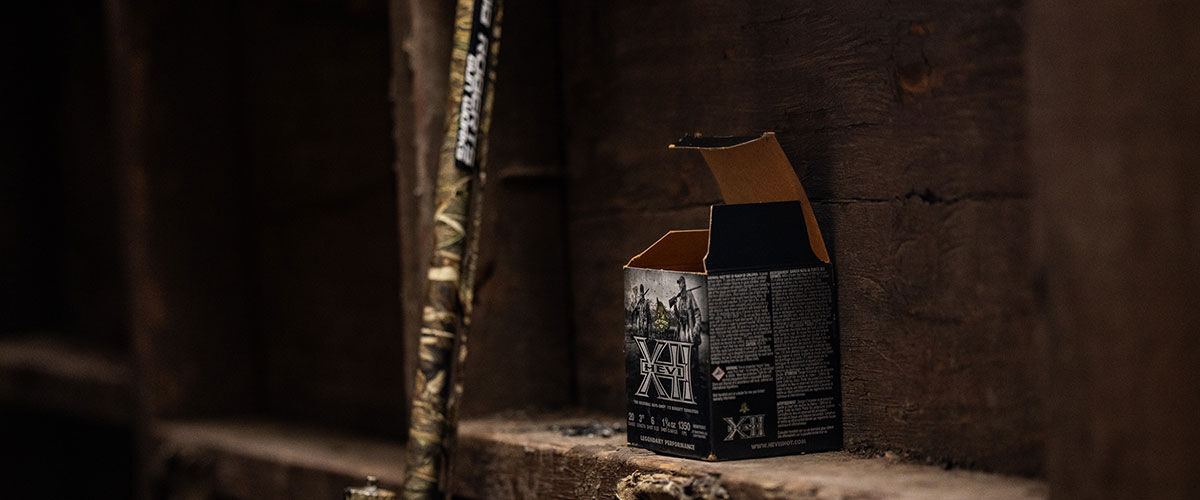
- Material: Bismuth or tungsten options like HEVI-XII for better hit authority
This is where HEVI-Bismuth and HEVI-XII really separates from the pack. Hunting wood ducks in tight timber, you’re not always getting perfect swings or clean shots. Bismuth’s and tungsten’s added density hits harder than steel at the same distance, meaning those quick, marginal hits still fold birds instead of letting them slip through the trees.

River Duck Hunting Tips
Rivers are alive. They change daily—sometimes hourly—and ducks adjust constantly.
River duck hunting is about reading water and staying mobile. Birds follow current seams, bends, and slack water. Wind shifts funnel birds unpredictably. Groups approach at odd heights and angles. One pass, they’re at 25 yards. Next pass, they’re sliding wide at 45. That’s why versatile ammo matters more than anything:
- Shot size: #3 or #2
- Balanced velocity and payload
- Steel or bismuth depending on conditions
Rivers expose weak loads fast. If your pattern thins out at 40 yards, you’ll see it immediately. A solid mid-range load is what keeps river hunters successful hunt after hunt.
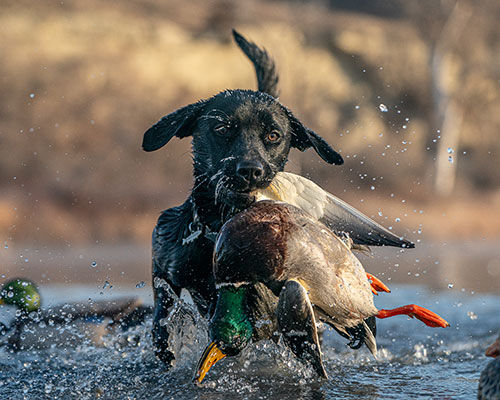
Duck Hunting from a Boat Tips
Boat hunting looks easy until you’re doing it. Limited movement, awkward seating, and birds moving fast across your field of fire. You rarely get a perfect stance. Crossing shots are the norm. Safety and awareness matter as much as your shooting.
This is where a dependable load pays off. When you’re shooting off-balance or reacting quickly, your ammo has to do the heavy lifting.
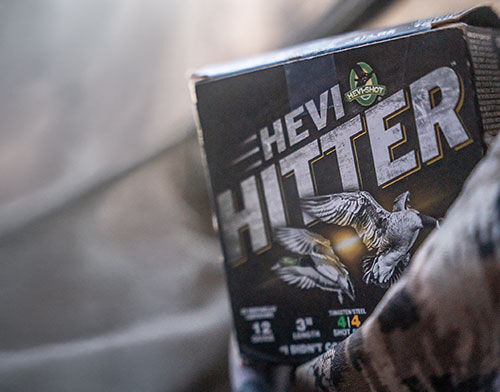
HEVI-Hitter is built for this scenario. It delivers consistent patterns and strong knockdown power, even when your mount isn’t perfect. Boat hunting isn’t about ideal shots—it’s about making imperfect shots matter.
Field Duck Hunting Tips
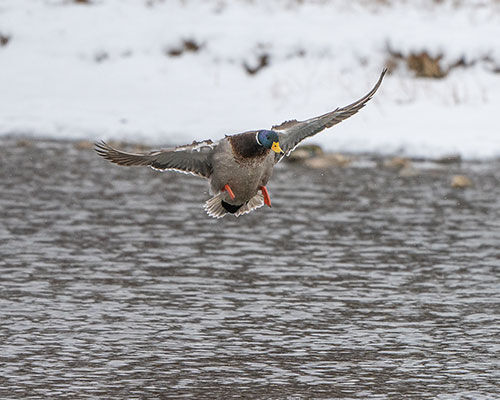
Field hunting will humble you faster than anything else in waterfowl. Birds have been shot at. They’ve seen spreads. They’ve heard every call. And they don’t commit easily. Field duck hunting tips come down to realism—and reach.
Birds circle higher and longer. They flare from bad concealment instantly. Most shots fall in the 40- to 60-yard range. You can call all day—but if birds hang up at 45 yards, your load had better finish them. Go with:
- Shot size: #2 or BB
- Heavier payloads such as HEVI-XII, HEVI-Hitter & HEVI-Hammer
- Tight choke and pattern
This is where HEVI-Hammer and tungsten blends earns its place. It’s built for extended-range lethality, giving you the ability to hit hard at distances where standard steel falls off, because field birds don’t always finish—and if your setup can’t reach them, you’re done before you start.
Early vs. Late-Season Duck Hunting Tips
Ducks change over the season. If you don’t adapt, your success drops off fast. In the early season, birds are unpressured, they respond strongly to decoys and shots are closer. This lets you run lighter loads:
- Shot size: #4–#6
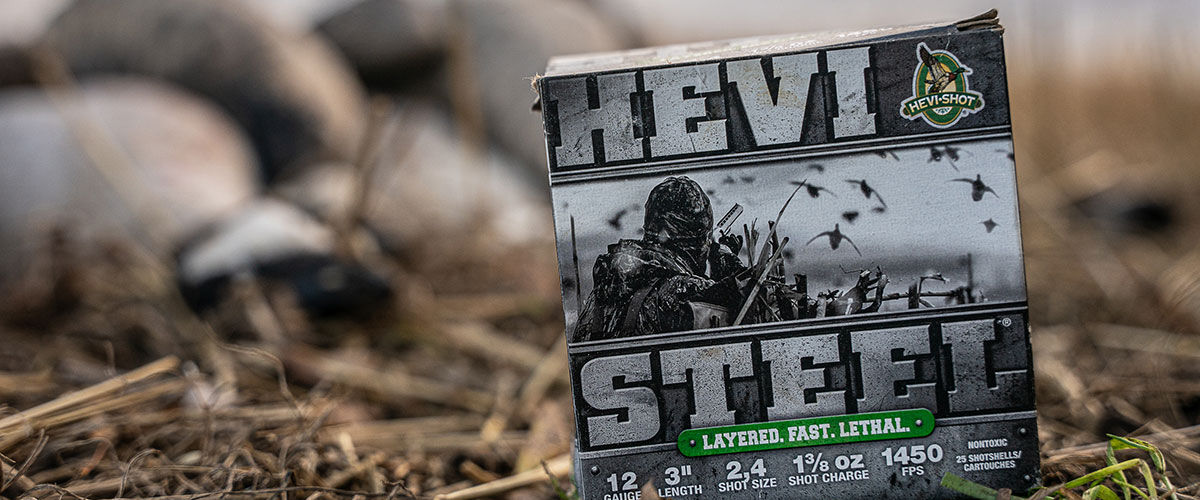
- Standard steel payloads such as HEVI-Steel
Late-Season Duck Hunting Tips
By the time the back half of the season hits. everything tightens up: Birds are educated, they avoid spreads and they hang up on the fringe of your effective range. So, you need more from your load:
- Shot size: #2 or BB
- Heavier payloads
- Denser materials like bismuth and tungsten blends
Late-season hunting exposes weak setups. Birds won’t give you as many 25-yard shots. If your shells can’t retain energy at 40-plus, you’re just making noise. This is where load choice matters more than calling skill.
Duck Hunting Shooting Tips That Actually Improve Success
If you want to kill more ducks, spend less time blaming conditions and more time understanding your gun.
- Pattern your shotgun at 30, 40, and 50 yards
- Understand your effective range
- Match your choke to your load
- Focus on follow-through
Most misses come from under-leading birds, shooting past your effective range, and having poor pattern density. You don’t fix those in the blind—you fix them before opening day.
Duck Hunting Tips for Tough Conditions
Bad conditions don’t kill hunts—failure to adjust does. In wind, birds move faster. To adapt, lead ducks more and use higher velocity ammo. When it’s raining, visibility drops, which often means closer shots. Be prepared with open chokes and loads that pattern well with them. If you’re dealing with pressured ducks on public land, be ready for birds that flare. This is where heavier payloads shine. More pellets on target give you more margin for error.
Common Duck Hunting Mistakes
Most missed birds aren’t the result of bad luck. You can predictably blame the same handful of issues:
- Running the same load everywhere
- Shooting beyond your effective range
- Not patterning your shotgun
- Ignoring wind and conditions
Fix those, and your success rate jumps fast.
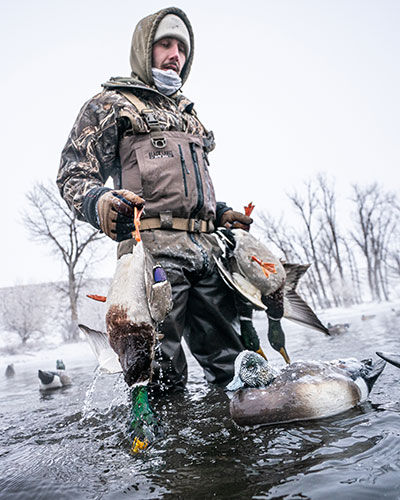
FAQs
What are some duck hunting tips for beginners? Start in timber or small water where shots are closer. Focus on clean hits, not long shots.
What shot size is best for duck hunting? First, realize that there is no “best” because it is so dependent on the specific situation. However, #4 to #2 cover most situations. Move to BB when range increases or birds get tougher.
Is bismuth and tungsten blends better than steel for duck hunting? Yes—bismuth and tungsten is denser, carries energy farther, and produces cleaner kills, especially beyond 35–40 yards.
How far can you shoot a duck ethically? Most ethical shots happen inside 40 yards. You can extend that range with the right setup—but only if you’ve proven it on the pattern board.
Conclusion
At the end of the day, duck hunting isn’t about hoping things come together—it’s about stacking the odds in your favor. Match your setup to the environment, shoot within your limits, and run ammo that finishes birds. Do that, and you’ll spend more time putting hands on feathers and bands on your lanyard.