Steel vs. Bismuth vs. Tungsten Shot: How to Choose the Best Non-Toxic Shotgun Shells


If you’ve been hunting ducks and geese long enough, you remember—or at least heard about—when lead went away for waterfowl back in the early ‘90s. Overnight, the conversation shifted from “what works” to “what works best without lead.” Fast forward to now, and we’ve got more options than ever: steel, bismuth, and tungsten. Each one kills birds—but not the same way, and definitely not at the same distance.
Here’s the truth most guys learn the hard way: shot material matters at least as much as how well you shoot. Density drives everything—penetration, energy, pattern performance—and ultimately whether that bird folds or sails.
This guide breaks down bismuth vs steel vs tungsten shot in real hunting terms—no fluff—so you can pick the best nontoxic shotgun shells for how you actually hunt.
Key Takeaways
- Tungsten (TSS) is the king—up to 60–70 percent denser than lead and nearly twice as dense as steel, delivering unmatched penetration and range
- Steel is affordable and effective—but only inside about 40 yards
- Bismuth sits in the middle, offering more knockdown than steel without tungsten pricing
- Higher density lets you shoot smaller shot sizes with more pellets, increasing hit probability
- The best shell depends on range, species, gauge, and budget—not just material
What’s the Real Difference Between Steel, Bismuth, and Tungsten Shot?
The real difference between steel, bismuth and tungsten comes down to one thing: density. It controls how much energy a pellet carries—and how well it holds that energy as distance increases.
Let’s break it down in plain terms: Steel is light. It slows down fast and loses punch quickly. Bismuth hits harder and carries energy farther. Tungsten (especially TSS) is on another level entirely. This is where the bismuth vs. lead vs. tungsten density conversation really matters. Tungsten doesn’t just edge out lead—it blows past it. That’s why you can shoot #7 or #9 tungsten where you’d normally run #4 or #2 steel.
And that’s why tungsten gives you something no other material does: consistent lethality at distance.
How Does Shot Material Affect Real Hunting Performance?
At the end of the day, this isn’t about numbers—it’s about dead birds in the decoys. Shot material directly controls how hard pellets hit, how many pellets hit and how far you can shoot ethically.
Penetration & Energy Retention
Let’s talk bismuth vs. tungsten density and why it matters. Tungsten carries more mass in a smaller pellet. That means:
- Deeper penetration
- More energy at longer distances
- Better performance even at lower velocities
Steel struggles here. It’s so light that you have to increase pellet size just to maintain penetration. That means fewer pellets in the air—and fewer chances to hit vitals. With bismuth vs tungsten shot, the difference shows up past 35–40 yards. Bismuth holds on better than steel, but tungsten keeps driving.
Pattern Density & Pellet Count
This is where tungsten really separates itself. Because tungsten is so dense, you can shoot smaller shot sizes, and with more pellets per ounce, you get tighter patterns and higher probability of multiple hits.
Compare that to steel. Since its low density demands that you shoot larger pellets, that means you get fewer pellets, wider gaps in your pattern and less forgiveness on marginal shots. That’s the real advantage in the tungsten vs. bismuth shot debate. It’s not just energy—it’s the number of hits you put into a bird.
Effective Range By Material
If you’re wondering where bismuth vs tungsten shotgun shells really diverge—this is it. Steel drops off hard past 40 yards. Bismuth extends that window a bit. Tungsten? It gives you reach most hunters have never experienced.
Steel Shot: Affordable and Effective at Close Range
Steel shot gets a bad rap—but it still kills a lot of birds every year. Steel works best when you keep it honest and limit your shots to 30 yards.
Pros:
- Affordable
- Widely available
- Reliable inside decoy range
Cons:
- Lowest density
- Requires larger shot sizes
- Loses energy fast
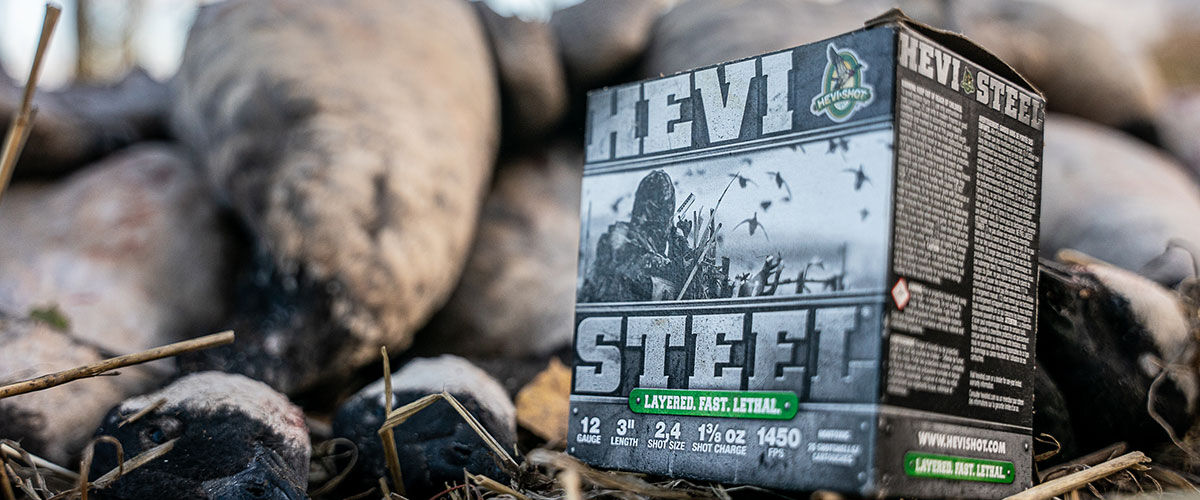
If you’re shooting birds inside 30 to 40 yards, steel is still effective—especially with modern loads like HEVI-Steel, which improve velocity and consistency. But the second birds start hanging up or the wind kicks up, you’ll see steel’s limitations fast.
Bismuth Shot: The Best Middle Ground?
If you’re looking at bismuth vs. steel vs. tungsten, bismuth is where things get interesting. It gives you:
- More density than steel
- Better penetration
- More versatility
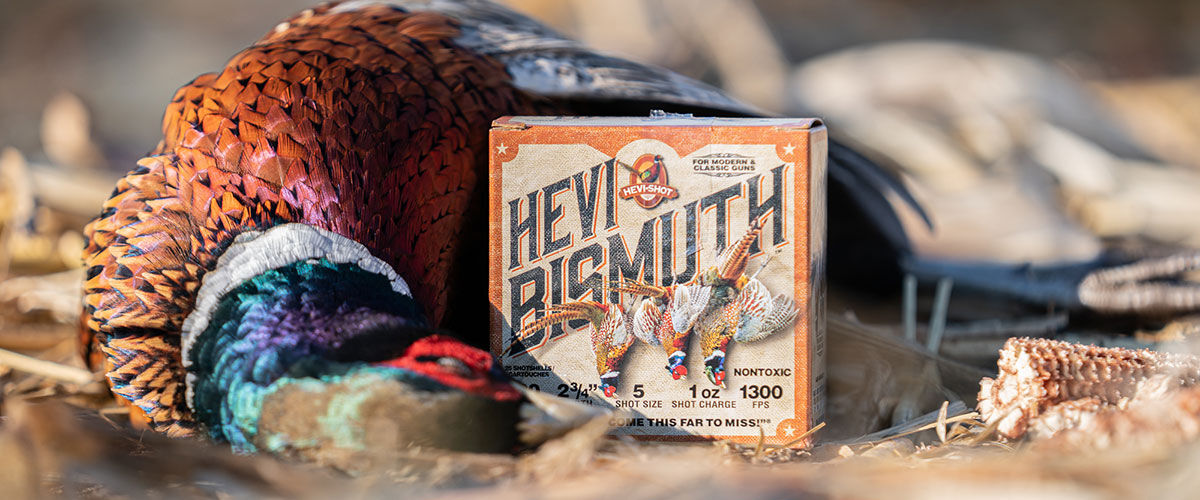
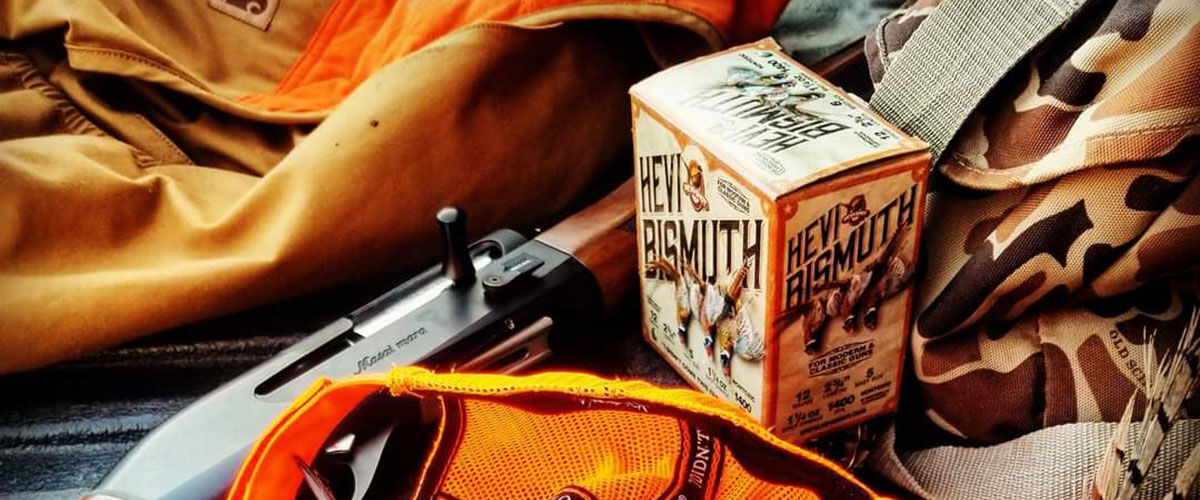
And unlike early bismuth loads, today’s options—like HEVI-Bismuth—are far more reliable and consistent. Hunters like bismuth because it’s safe for older shotguns, hits harder than steel, and extends effective range without tungsten cost
In the steel vs. bismuth vs. tungsten conversation, bismuth is the workhorse. It’s not the cheapest, not the most powerful—but it performs well across a wide range of hunts.
Tungsten Shot (TSS): Maximum Performance at Distance
When it comes to bismuth vs tungsten shot, tungsten wins. Period. Tungsten Super Shot (TSS) is:
- The densest option available
- Capable of extreme penetration
- Able to use smaller shot sizes
That means:
- More pellets
- More hits
- Cleaner kills
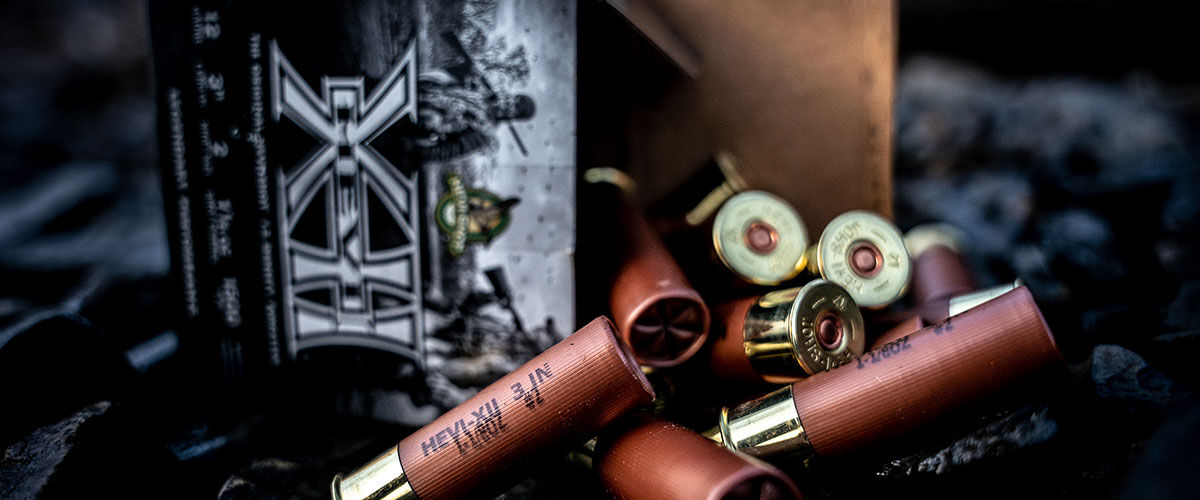
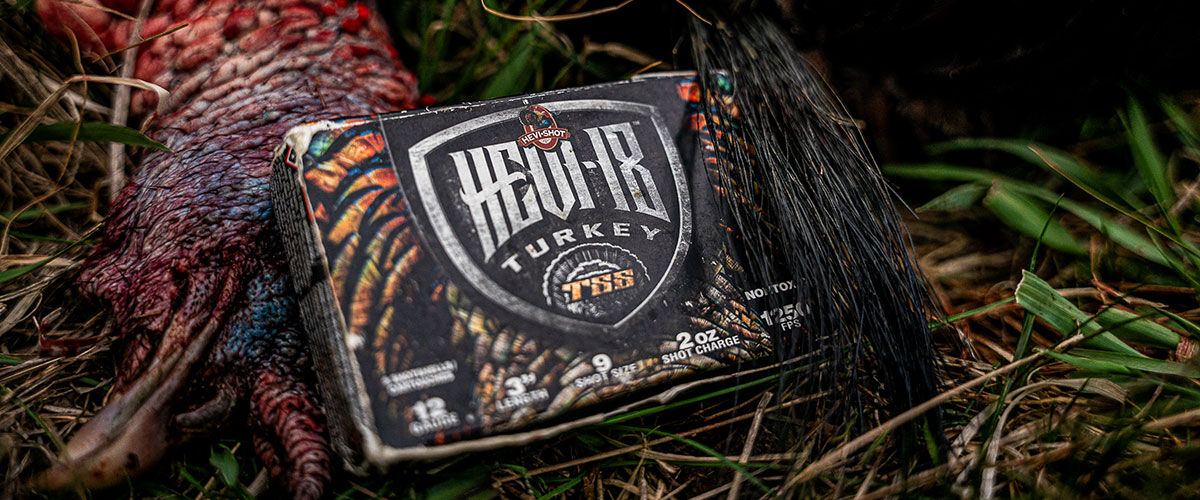
Loads like HEVI-XII (waterfowl) or HEVI-18 TSS Turkey have completely changed what’s possible.
You can shoot:
- #7–#9 shot for turkey
- Smaller shot for ducks with massive energy
The biggest advantage? Fewer cripples. That’s what hunters notice immediately. Yes, it costs more. But when you factor in cleaner kills, fewer lost birds, and extended range, a lot of hunters never go back.
Which Shot Type Is Best for Your Hunting Scenario?
The truth is, there’s no “best” shot—there’s only the right one for the hunt. Here’s a breakdown of common ones:
Waterfowl Over Decoys
If birds are finishing inside 30–35 yards, steel works, and bismuth gives a little more margin. This is where HEVI-Steel or HEVI-Bismuth shine.
Late-Season / Pass Shooting
When birds get educated, hang higher, and don’t commit, tungsten makes a difference:
- Better penetration
- Higher hit counts
- Cleaner kills at distance
Turkey Hunting
This one’s simple: tungsten dominates. Loads like HEVI-18 TSS Turkey or HEVI-Bismuth Turkey give:
- Extreme pattern density
- Deep penetration
- Confidence past traditional ranges
Upland Hunting
Upland hunters love bismuth because it balances:
- Performance
- Safety in older guns
- Versatility
It’s arguably the best all-around non-toxic option.
HEVI Advantage: Why Density and Payload Design Matter
HEVI doesn’t just make shells—it designs them around real hunting performance. HEVI-Steel is affordable, high-performance steel for everyday hunts. HEVI-Bismuth gives you better density and versatility across conditions. HEVI-XII delivers top-end waterfowl performance with extended range. HEVI-18 (TSS) offers unmatched turkey lethality and pattern density.
What separates them isn’t just material—it’s how they balance pellet count, velocity and pattern consistency. And that’s what translates to cleaner kills, fewer cripples and more confidence when it matters.
FAQs
Q: Is tungsten shot worth the extra cost?
A: If you’re shooting beyond 40 yards, hunting pressured birds, or want the cleanest kills possible—yes. The combination of density, penetration, and pattern density makes a noticeable difference in real hunts.
Q: Is bismuth better than steel for ducks?
A: Yes. Bismuth carries more energy and extends your effective range, making it a better choice when birds aren’t finishing tight or conditions are less than ideal.
Q: What shot size should I use for tungsten vs. steel?
A: With steel, you typically use larger shot like #2 or BB. With tungsten, you can drop down to #6 to #9 while maintaining—and often exceeding—penetration and lethality as well as better patterns.
Q: Can I shoot bismuth in older shotguns?
A: Yes. Bismuth is softer than steel, making it safe for older barrels that shouldn’t be used with harder shot types.
Q: What is the best nontoxic shot for 28 gauge?
A: Tungsten or bismuth. Both allow you to maintain effectiveness despite the smaller payload that comes with 28-gauge guns.